 Welcome
 Calendar
 Today's Word
 Breakfast (Lauds)
 Coffee Break (Terce)
 Lunch (Sext)
 Coffee Break (None)
 Dinner (Vespers)
 Supper (Compline)
 Midnight (Matins)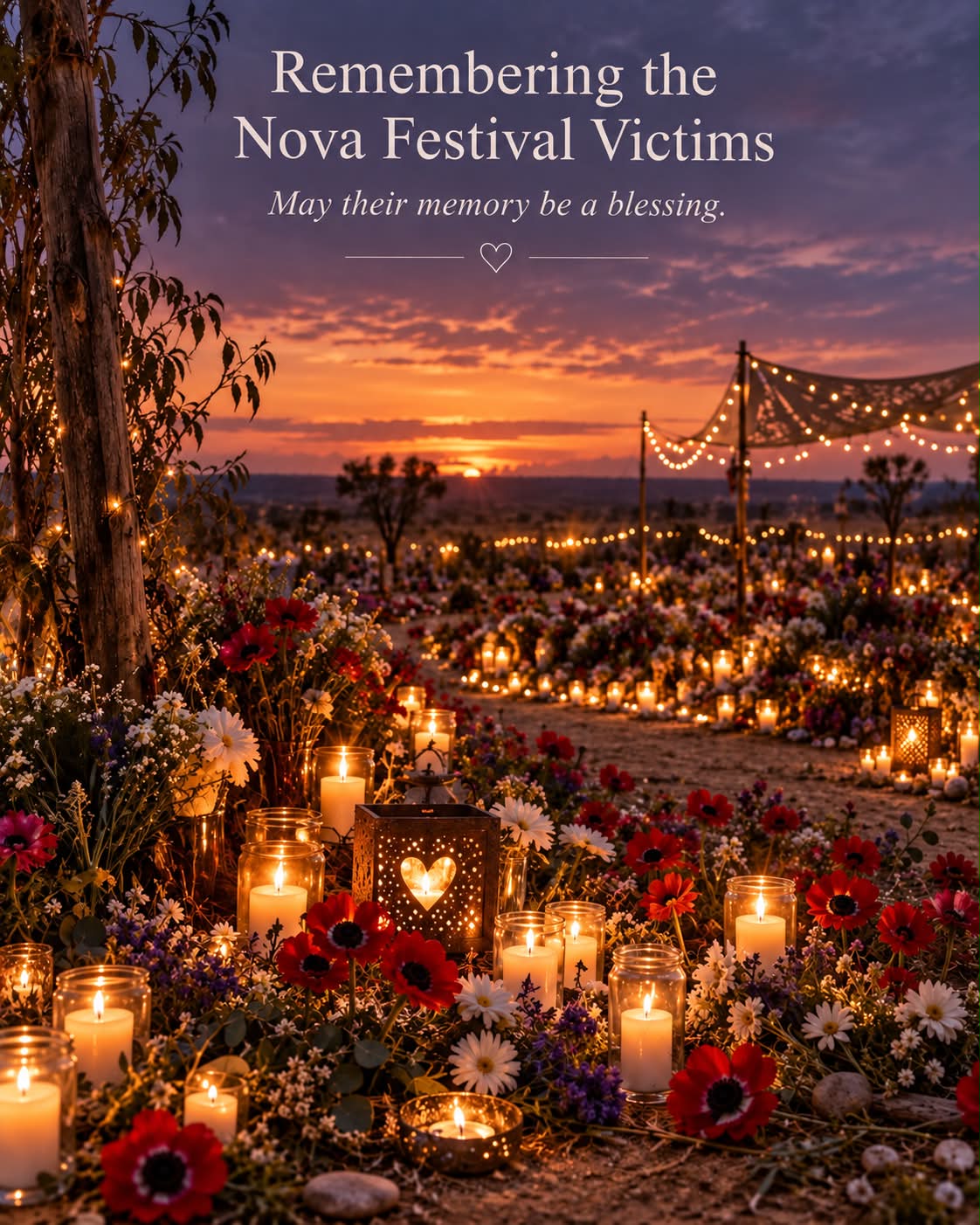
I cannot ignore as I write this (7 Oct) that many today are remembering the 7th Oct 2023 massacre in Israel. There are so many lies, so much propaganda. The truth is out there but usually not found on main-stream media. Sadly the propaganda is winning, as is shown by the rabid anti-Semitism on display today in the streets of Paris, London, Toronto and many other cites, especially in western Europe.
A huge number of people are protesting and chanting, "From the River to the Sea"....which translates as a call to commit a genocide of the Jews. Behavior the same as the Nazi's just before the Holocaust. How do you think Jewish people feel about that....one of the feelings will be gratitude to God that unlike back then, today ISRAEL exists! This time they have somewhere to run and the backing of the USA.
Israel has been falsely accused of committing genocide in Gaza in retaliation, by the mainstream media. What they have committed was NOT a genocide it was a WAR! People die during wars, sadly including civilians, but the provocation of the 2023 massacre was too much for any country to NOT retaliate in defense of its people.....they were invaded. Since the War began the population of Gaza has increased NOT decreased, so if they were committing genocide, they were doing a pretty bad job of it. TBN and CBN News, who I believe can be trusted to report the truth, reported the IDF were actually doing all they reasonably could to avoid killing civilians. Civilians who paraded in the streets calling for their deaths and who celebrated on Oct 7, 2023.
People say the massacre was in revenge for wrongs done by Israel back in the past in 1948 etc., but those committing the atrocities on Oct 7 were NOT EVEN ALIVE back then, they had never personally been hurt by Israel, who pulled out and gave them their own state in a 2 state solution back in 2005. Even after 2005 people from Gaza were not cut off or isolated they were able to enter Israel for work and many had jobs there. They were even able to receive free treatment at Israeli Hospitals. No these were young men raised and brain-washed by HATE, what happened in the past does NOT give anyone the RIGHT to rape women and massacre children in the present.
Those lying and spouting false propaganda will be dealt with by God....it is promised in today's Old Testament reading and it will happen! So don't be fooled into repeating the lies and propaganda being generated by the spin masters owned by jihadists like Hamas & the IRGC.
